
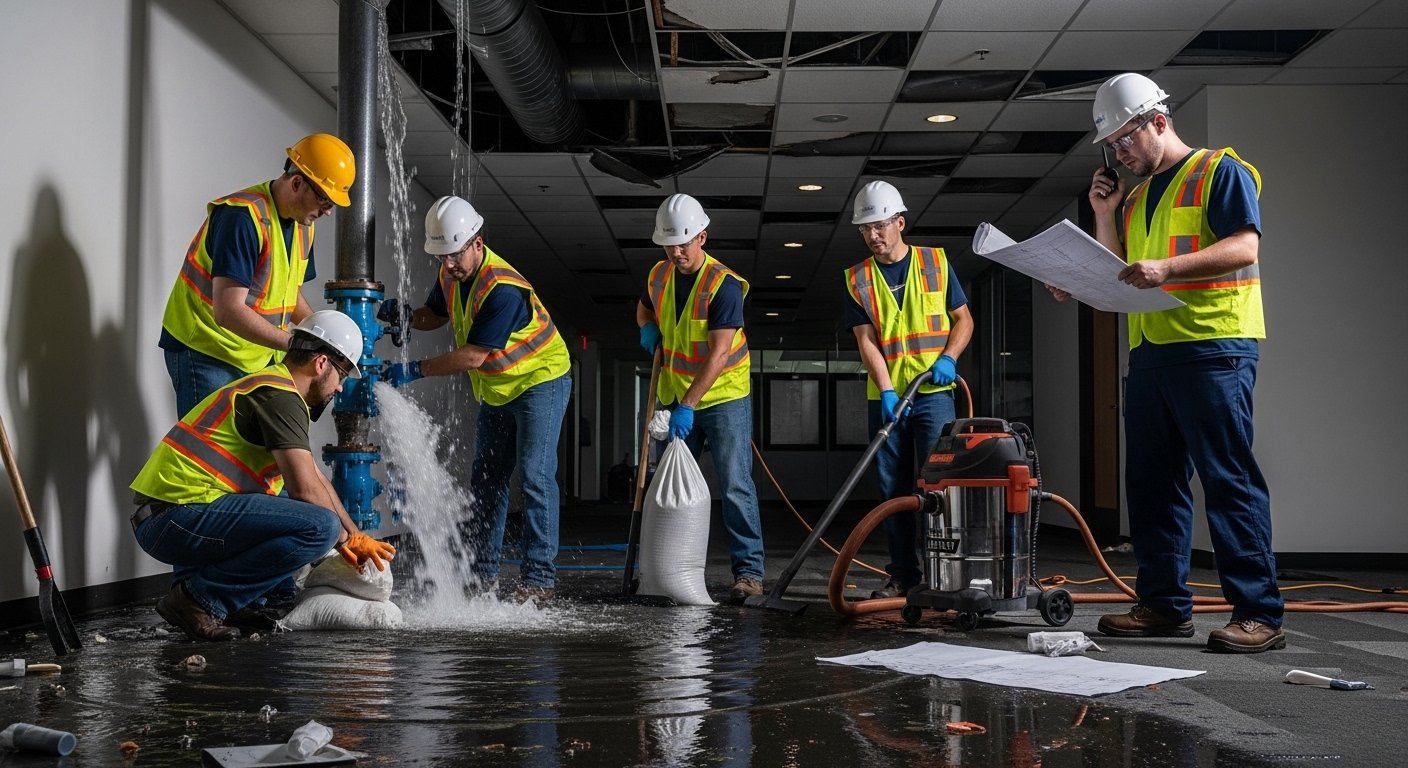
7 Ways Facility Teams Minimize Damage During Crises

In the world of facility management, a crisis isn’t a matter of “if,” but “when.” Whether it’s a natural disaster, a major utility failure, or a security breach, the speed and efficiency of the response determine the magnitude of the impact. Effective facility teams know that damage control begins long before an alarm sounds. It requires a proactive culture of preparedness, rigorous maintenance, and strategic planning.
By implementing robust protocols, facility managers can safeguard building occupants, protect expensive assets, and ensure business continuity. This guide outlines seven critical strategies that top-performing facility teams use to minimize damage when chaos strikes.
1. Conducting Comprehensive Risk Assessments
The foundation of any effective crisis management strategy is a thorough understanding of potential vulnerabilities. Facility teams cannot prepare for threats they haven’t identified. A comprehensive risk assessment involves a detailed inspection of the physical infrastructure, analyzing geographical risks (such as flood zones or seismic activity), and reviewing historical data on past incidents.
By categorizing risks based on likelihood and potential impact, teams can prioritize their resources. For instance, a facility located in a hurricane-prone area will prioritize wind-proofing and backup power generation, whereas a facility in an older urban building might focus on plumbing infrastructure to prevent water damage. This data-driven approach ensures that mitigation efforts are targeted and effective, rather than generic and wasteful.
2. Implementing Rigorous Preventative Maintenance
Equipment failure during a crisis can turn a manageable situation into a catastrophe. Preventative maintenance is the first line of defense against infrastructure failure. Facility teams that adhere to strict maintenance schedules for HVAC systems, generators, fire suppression systems, and plumbing are far less likely to experience compounding failures during an emergency.
For example, a backup generator that hasn’t been tested in six months may fail to start during a blackout, leaving the building without critical systems. By ensuring all mechanical and safety systems are in peak condition, teams minimize the variable of equipment failure, allowing them to focus on the external crisis at hand rather than internal breakdowns.
3. Establishing Pre-Vetted Vendor Partnerships
During a widespread crisis, local resources become scarce immediately. Contractors, plumbers, and electricians are often booked within minutes of a major event. Proactive facility teams minimize damage by establishing relationships with vendors well in advance. These partnerships often include service level agreements (SLAs) that guarantee a specific response time.
This preparation is vital for localized emergencies as well. If a facility manager oversees properties across different regions, they need reliable local contacts in each area. For instance, a manager might have a contract in place for emergency flood repair in Orem, UT to ensure that if a pipe bursts in their Utah branch, a team is deployed immediately. Without these pre-vetted relationships, valuable time is lost searching for available contractors, allowing damage to escalate unchecked.
4. Developing and Practicing Emergency Response Plans (ERPs)
A plan that sits in a binder on a shelf is useless during a real emergency. Effective facility teams don’t just write Emergency Response Plans; they live them. An ERP should outline specific roles and responsibilities, evacuation routes, communication trees, and shutdown procedures for utilities.
However, the key to minimizing damage is muscle memory. Regular drills—ranging from fire evacuations to simulated hazardous material leaks—ensure that the team knows exactly how to react without hesitation. When staff members know how to shut off a main water valve or isolate a section of the electrical grid instinctively, they can stop an incident from spreading in seconds, saving thousands of dollars in potential restoration costs.
5. Utilizing Smart Building Technology
Modern technology has revolutionized damage mitigation. Internet of Things (IoT) sensors can detect anomalies that human staff might miss until it is too late. Water leak detectors, humidity sensors, and smart smoke detectors can send instant alerts to facility managers’ smartphones the moment an issue arises, even if the building is unoccupied.
Beyond detection, smart building management systems (BMS) allow for remote intervention. If a fire alarm is triggered, a smart system can automatically shut down HVAC units to prevent smoke circulation or recall elevators to the ground floor. This automated response capability drastically reduces reaction time, limiting the scope of damage before human responders even arrive on the scene.
6. Centralizing Communication Channels
Confusion is the enemy of crisis management. When information is siloed or communication lines break down, response efforts become disjointed and ineffective. Facility teams minimize damage by establishing centralized communication platforms that can operate independently of traditional networks if necessary.
This might involve dedicated apps that allow for real-time status updates, mass notification systems to alert building occupants, and radio redundancy for maintenance staff. Clear, concise, and unified communication ensures that everyone—from security personnel to the cleaning crew—is working from the same information, preventing conflicting actions that could worsen the situation.
7. Prioritizing Business Continuity and Redundancy
Damage isn’t just physical; operational downtime is a form of damage that affects the bottom line. Facility teams minimize this by building redundancy into critical systems. This includes Uninterruptible Power Supplies (UPS) for IT servers, backup water supplies, and redundant internet connections.
Furthermore, a solid business continuity plan identifies which facility functions are critical and must be restored first. By understanding the hierarchy of facility operations, teams can direct their repair and recovery efforts toward the areas that will get the business back up and running fastest. This strategic focus ensures that even if physical damage occurs, the operational “damage” to the organization is contained.
Minimizing damage during a crisis requires more than just quick reflexes; it requires a strategic, holistic approach to facility management. By assessing risks, maintaining strong vendor relationships, leveraging technology, and practicing response plans, facility teams act as the shield that protects an organization’s most valuable assets. While no team can control when a disaster strikes, these seven strategies ensure they can control the outcome.
