
Understanding the Types of Military Components: A Complete Guide

Modern militaries are complex organizations built from multiple interconnected components, each designed to fulfill specific roles in national defense. Understanding the types of military components helps clarify how armed forces operate efficiently during peacetime, crises, and large-scale conflicts. From active forces on the front lines to reserve units supporting long-term readiness, every component plays a vital part in maintaining security and stability.
What Are Military Components?
Military components refer to the organizational segments that make up a nation’s armed forces. These components differ in structure, readiness level, responsibilities, and deployment frequency. Together, they form a flexible system capable of responding to diverse threats, from natural disasters to global conflicts.
While structures vary by country, most militaries are broadly divided into active forces, reserve forces, and national or territorial guard units, supported by specialized branches and support organizations.
Active Duty Forces
Active duty forces are the full-time, professional core of the military. Personnel in this component serve continuously and are ready for immediate deployment at any time. They are typically the first responders to international conflicts, peacekeeping missions, and high-priority national security operations.
Active duty units receive the most frequent training and have access to the latest equipment and technology. Their primary roles include combat operations, deterrence, intelligence gathering, and maintaining a constant defense posture. Because of their readiness, active forces are essential for rapid response scenarios.
Reserve Forces
Reserve forces consist of trained military personnel who serve part-time while maintaining civilian careers. They regularly participate in training exercises and can be activated when additional manpower or specialized skills are required.
Reserves play a critical role in sustaining long-term operations, reinforcing active units, and providing expertise in areas such as engineering, medical services, logistics, and cyber operations. This component allows militaries to expand their capabilities without maintaining a fully active force at all times, making it a cost-effective and flexible solution.
National Guard or Territorial Forces
National Guard or territorial defense forces operate with a dual mission. They support federal or national military objectives while also responding to domestic emergencies such as natural disasters, civil unrest, or humanitarian crises.
These units are often deeply connected to local communities, which enhances their effectiveness in disaster response and infrastructure protection. While they can be deployed internationally when needed, their unique value lies in balancing national defense with homeland security and civil support responsibilities.
Specialized Military Branches
Beyond the main components, militaries are divided into branches based on operational domains. Common examples include the Army (land operations), Navy (maritime operations), Air Force (air and space operations), and Marines (rapid-response and amphibious missions). Many modern forces also include Space and Cyber commands to address emerging threats.
Each branch contains its own mix of active, reserve, and guard units, ensuring specialized capabilities are available across all components.
Support and Auxiliary Components
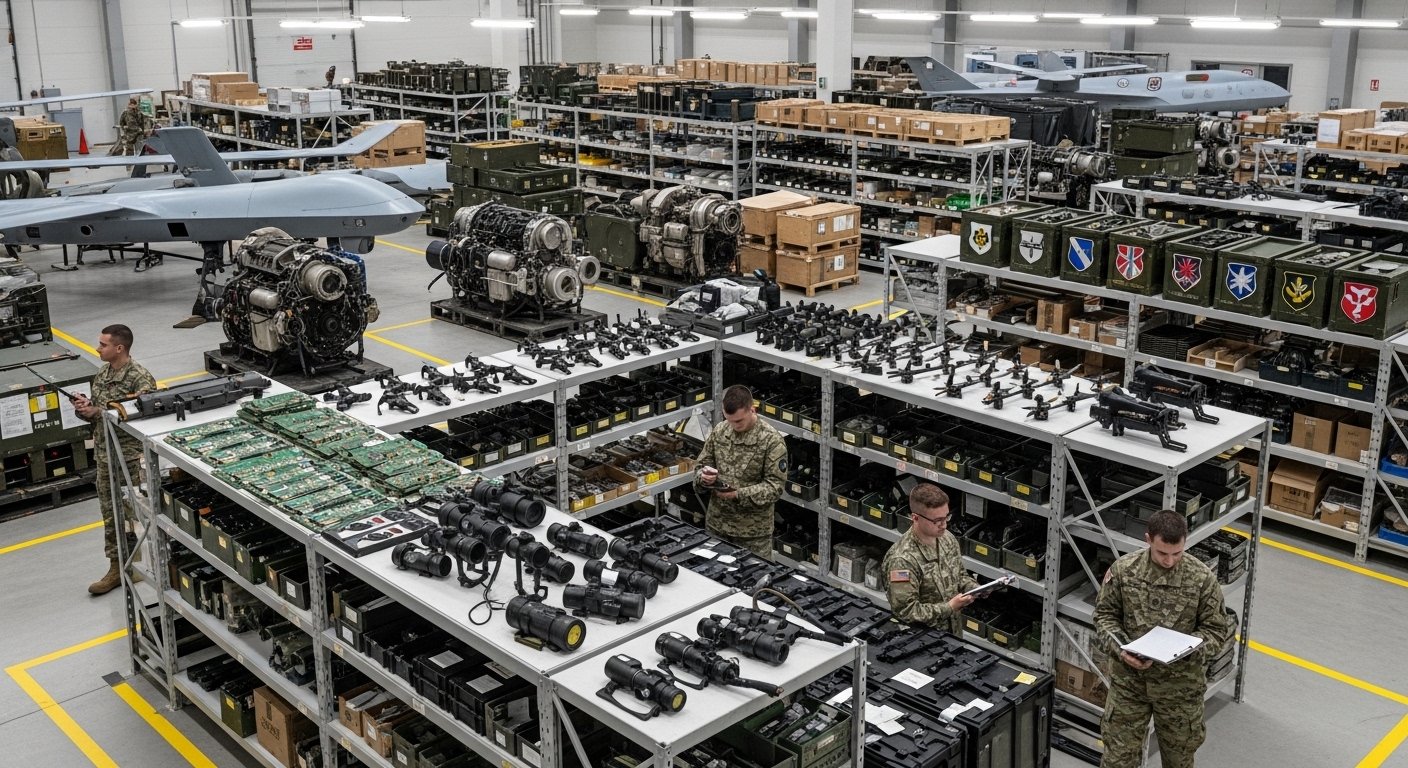
Support components are often less visible but equally critical. These include logistics, medical corps, intelligence units, training commands, and research and development divisions. Without them, frontline forces would struggle to operate effectively.
Manufacturing and maintenance are also essential to military readiness. Precision-engineered parts, sometimes produced using advanced processes such as wire edm machining services, help ensure weapons systems, vehicles, and equipment meet exacting performance standards.
How Military Components Work Together
The strength of a military lies not just in individual components but in how seamlessly they integrate. Active forces provide immediate action, reserves supply depth and endurance, and guard units ensure domestic stability. Support components tie everything together by maintaining supply chains, training personnel, and advancing technology.
Joint exercises and unified command structures are designed to ensure all components can operate as a single, coordinated force when required.
Why Understanding Military Components Matters
For civilians, understanding military components offers insight into how national defense systems are organized and funded. For potential recruits, it helps clarify service options and career paths. For policymakers, it highlights the importance of balancing readiness, cost, and long-term sustainability.
Conclusion
Military components form a carefully structured system designed to protect national interests in an unpredictable world. By combining active duty forces, reserves, national guard units, specialized branches, and support organizations, modern militaries achieve flexibility, resilience, and strength. Understanding these components provides a clearer picture of how defense forces remain prepared to meet both present and future challenges.
