
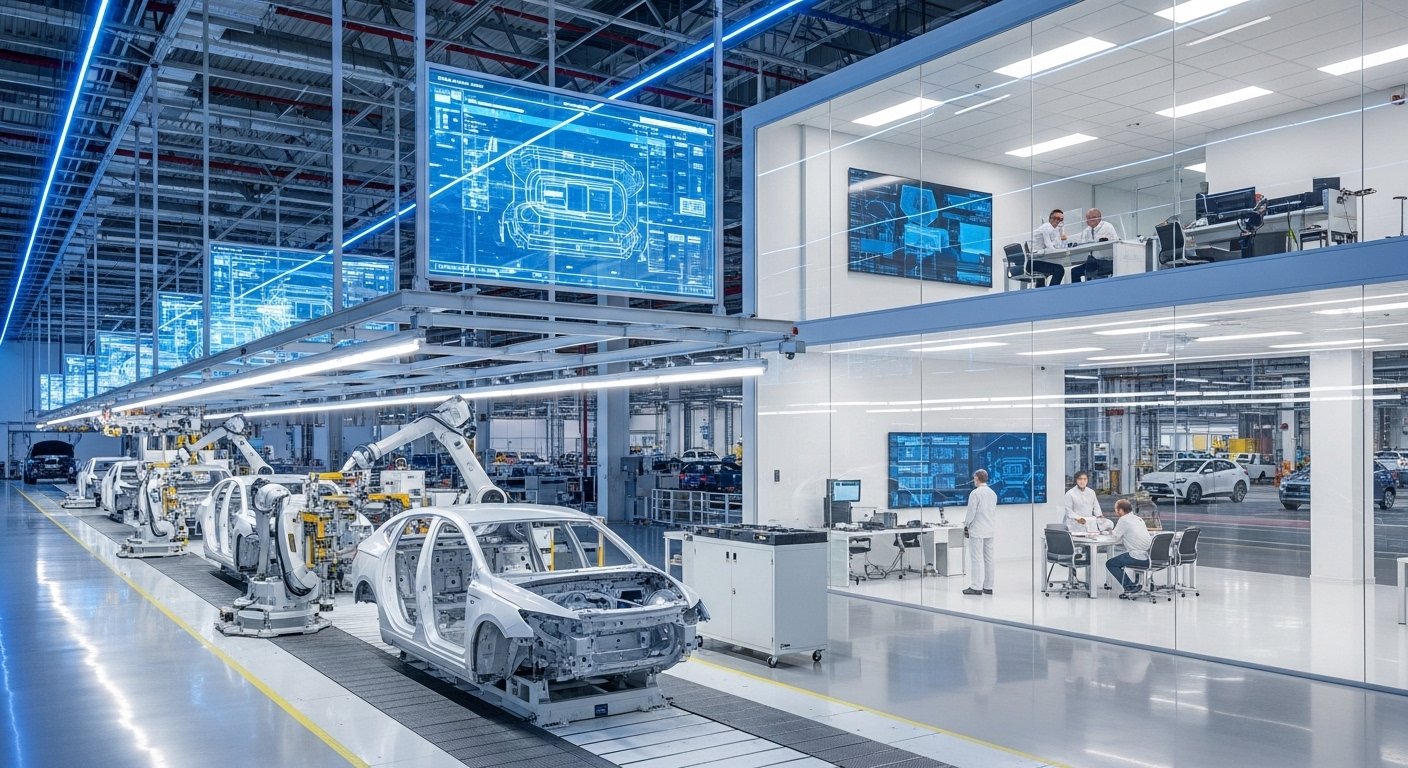
Driving Efficiency: How Modern Automotive Plants Stay Competitive

The automotive industry is evolving at an unprecedented pace. Shifting consumer expectations, global competition, supply chain disruptions, and rapid technological advancement are forcing manufacturers to rethink how they operate. At the heart of this transformation lies one critical goal: efficiency. Modern automotive plants must produce higher-quality vehicles faster, safer, and at lower costs without sacrificing flexibility or sustainability. Those that master efficiency gain a decisive competitive edge.
Smarter Production Through Technology
Automation and digitalization are reshaping automotive manufacturing floors. Robotics now handle repetitive and precision-based tasks such as welding, painting, and assembly, reducing errors and increasing production speed. Advanced sensors and connected systems enable real-time monitoring of equipment performance, helping plants detect inefficiencies before they escalate into downtime.
Digital twins—virtual replicas of physical production lines—allow manufacturers to simulate changes, test layouts, and optimize workflows without disrupting operations. Combined with data analytics, these tools help plants make informed decisions that improve throughput and reduce waste.
Lean Manufacturing as a Core Strategy
Lean manufacturing principles remain a cornerstone of efficiency in automotive plants. By focusing on value-added activities and eliminating waste, manufacturers streamline operations across the entire production cycle. Practices such as just-in-time inventory, standardized work procedures, and continuous improvement (Kaizen) help reduce excess stock, shorten lead times, and improve consistency.
Lean approaches also encourage cross-functional collaboration. When engineers, operators, and managers work together to identify bottlenecks, solutions are implemented faster and more effectively. This culture of shared responsibility is essential for maintaining long-term efficiency.
Workforce Empowerment and Skill Development
Despite the rise of automation, people remain central to efficient automotive plants. A well-trained workforce can adapt quickly to new technologies, identify problems early, and contribute to process improvements. Modern plants invest heavily in upskilling employees, particularly in areas such as robotics operation, data interpretation, and quality control.
Empowered employees are more engaged and productive. When workers understand how their roles impact overall efficiency, they are more likely to take ownership of performance outcomes. Clear communication, safety-focused environments, and opportunities for growth all contribute to a more efficient and resilient workforce.
Predictive Maintenance and Reliability
Unplanned downtime is one of the biggest threats to plant efficiency. To combat this, automotive manufacturers are moving away from reactive maintenance toward predictive and preventive strategies. Using machine data and performance trends, maintenance teams can address wear and tear before failures occur.
This approach not only extends equipment lifespan but also stabilizes production schedules. In some cases, specialized services such as industrial machine repair are integrated into broader maintenance programs to ensure critical assets remain operational with minimal disruption.
Energy Efficiency and Sustainability
Efficiency today is not just about speed and cost—it also includes responsible resource use. Automotive plants consume significant amounts of energy and materials, making sustainability a key efficiency driver. Energy-efficient machinery, optimized lighting systems, and waste heat recovery solutions help reduce operational costs while meeting environmental regulations.
Many manufacturers are also adopting circular economy practices, such as recycling materials and reducing water usage. These initiatives improve efficiency by lowering input costs and strengthening brand reputation in an increasingly eco-conscious market.
Supply Chain Integration and Flexibility
Modern automotive plants are deeply interconnected with global supply chains. Efficient operations depend on accurate forecasting, strong supplier relationships, and flexible logistics. Digital supply chain platforms improve visibility, allowing plants to respond quickly to disruptions or demand fluctuations.
Flexibility is especially critical as manufacturers balance traditional vehicle production with electric and hybrid models. Plants designed for rapid changeovers and modular production lines can adapt faster, maintaining efficiency even as product mixes evolve.
Staying Competitive Through Continuous Improvement
Efficiency is not a one-time achievement—it is an ongoing process. The most competitive automotive plants continuously measure performance, benchmark against industry standards, and invest in innovation. By combining advanced technology, lean principles, skilled people, and sustainable practices, modern automotive plants position themselves to thrive in a challenging and fast-moving industry.
In the race to stay competitive, efficiency is the engine that keeps automotive manufacturing moving forward.
