
How to Spot and Prevent Hidden Leaks and Moisture

Water can be a homeowner’s best friend but a property’s worst enemy. Unlike a burst pipe, the most damaging leaks and moisture issues happen silently behind the scenes. Left unchecked, hidden water damage can ruin structural integrity, lead to expensive repairs and cause health-harming mould. However, there are several things that you can look out for to spot the early warning signs of hidden moisture, both inside and outside the home, and how to fix these permanently.
The Exterior Defense – Gutters and Ground Drainage
Your home is a shield against the elements, especially given that the UK experiences everything from prolonged, relentless rain to sudden, heavy summer downpours. A house needs to have a high-functioning system to catch, channel and move thousands of litres of rainwater away safely. Water damage almost always starts from the outside, as if exterior drainage networks fail, water will inevitably find a way inwards, whether this is by quietly soaking through brickwork, rotting joists or creating damp issues.
During a heavy downpour, it can be a good idea to step outside and perform a visual audit of your guttering. Signs of failure to look out for include water cascading over the sides of troughs, sagging plastic brackets, leaking joints or end caps, and water dripping down the fascia boards. Overflowing water will not just splash on the floor, but constantly drenches exterior brickwork, washing away mortar over time and leading to penetrating damp on interior walls. You should also look out for where water goes once it leaves the downpipe. Check for standing pools of water against the brickwork or foundations, green algae or moss growing at the base of walls and cracked gully grates. These can all be early warning signs that rising damp or erosion may become a problem. When ground drainage or soakaways become blocked with leaves, silt or debris, the ground becomes oversaturated, forcing moisture upwards into flooring and foundations.
Before these issues turn into expensive structural repairs, you can fix and prevent them. Ensure that you are clearing guttering biannually, especially after autumn. You should also upgrade older or leaking gutters to modern systems, and install leaf guards over downpipe entry points to ensure water flows without debris being dragged in.
The Indoor Culprits – Plumbing and Waste Pipes
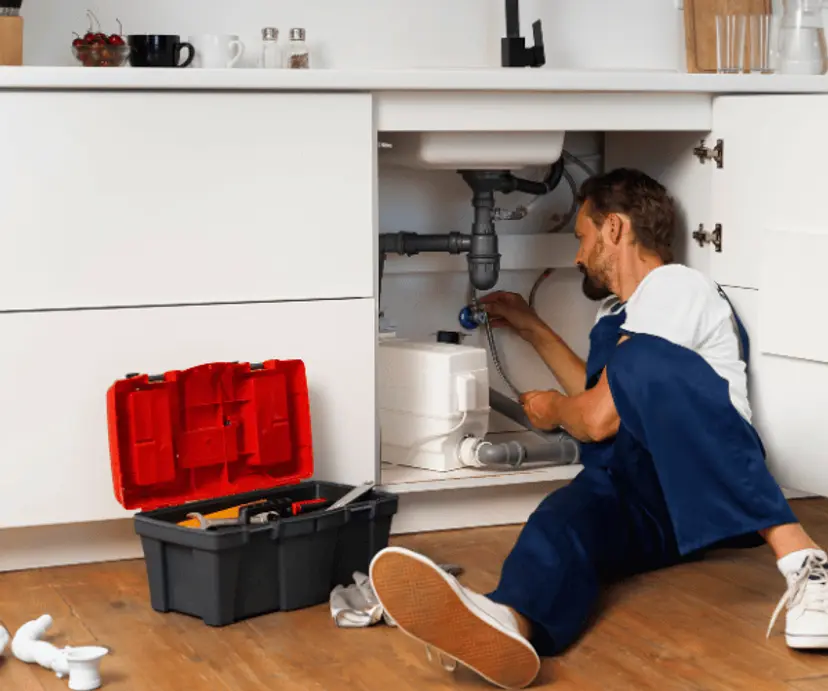
Although sudden pipe bursts are a problem, the real villain of home maintenance is a slow, silent drip that can remain undetected for months behind cabinets, panels and underneath floorboards. By the time a visible damp patch appears on a ceiling, hundreds of litres of water may have already saturated the surrounding insulation, timber and plasterboard. There are several things to look out for that can indicate an invisible leak, such as a persistent musty smell in an enclosed space, even when the area looks dry. Check for visual clues like bubbling or peeling paint, discoloured or lifting flooring, chalky white deposits on exposed pipes, or a sudden, unexplained drop in water pressure.
If you think that there is a hidden leak, you can check your plumbing system without hiring a professional immediately. Turn off all of the taps and water using appliances in your home, locate the main water meter and take a reading. Leave the water off for an hour or two, then check the meter again. If the dial or digital reading has moved, water is escaping somewhere in the system.
Protecting the Vulnerable ‘Wet Zones’
There are several areas in the home that are high risk, high exposure and face daily assaults from water pressure, soap scum, high-velocity steam and chemical cleaning products, like kitchen splashbacks and bathroom walls. In these areas a wall is not just a partition, it also needs to act as a waterproof shield. Although ceramic or porcelain tiles are waterproof, the grout used alongside these is porous. It will act like a hard sponge, slowly absorbing moisture every time someone showers or cooks. Over time, cleaning chemicals will also degrade the grout, meaning that water can slip behind the tiles and rot plasterboard. As this happens out of sight, homeowners will only realise that there is a problem when tiles start coming loose or damp patches appear.
In comparison, wall cladding panels are a better modern alternative. As these panels use tongue and groove interlocking systems or seamless trims, they are completely flush and watertight across the entire wall. There are no recesses, no textures and no grout lines where water can seep in. By installing a completely impermeable barrier, you will be effectively future-proofing wet zones in your home. This will eliminate the need for messy re-grouting every few years, and completely removes the risk of water damage unnoticeably destroying walls.
Condensation Control and Air Quality
Condensation is not just a leak from a broken pipe, but is atmospheric moisture. Every time you boil a kettle or go in the shower, you are releasing litres of invisible water vapour into the air. Modern UK home improvements can accidentally make condensation worse. In a bid to cut heating bills, many homes have double glazing and loft insulation. Although this keeps heat in, it also traps moisture and makes indoor humidity skyrocket. The moisture has nowhere to go, so it can settle and create a persistent film of dampness that does not dry out. These damp surfaces can become a breeding ground for black mould, which is a health hazard for a household. Ensure that extractor fans are working efficiently and are venting externally, and that internal drainage lines from appliances are routed correctly into the plumbing system. Temporary steam is still inevitable, but you can help to reduce its effect by using non-porous surfaces around your home so that mould spores are unable to take root.
Preventing water damage requires a two-pronged approach, using reliable exterior and interior plumbing to control the flow of water, and water-resistant wall finishes to protect the structure when moisture is present. For this reason, it is best to regularly check around your home, both inside and out, to catch small issues before they become major headaches.
