
Speed Matters: Why 20km/h Can Be the Difference Between Life and Death

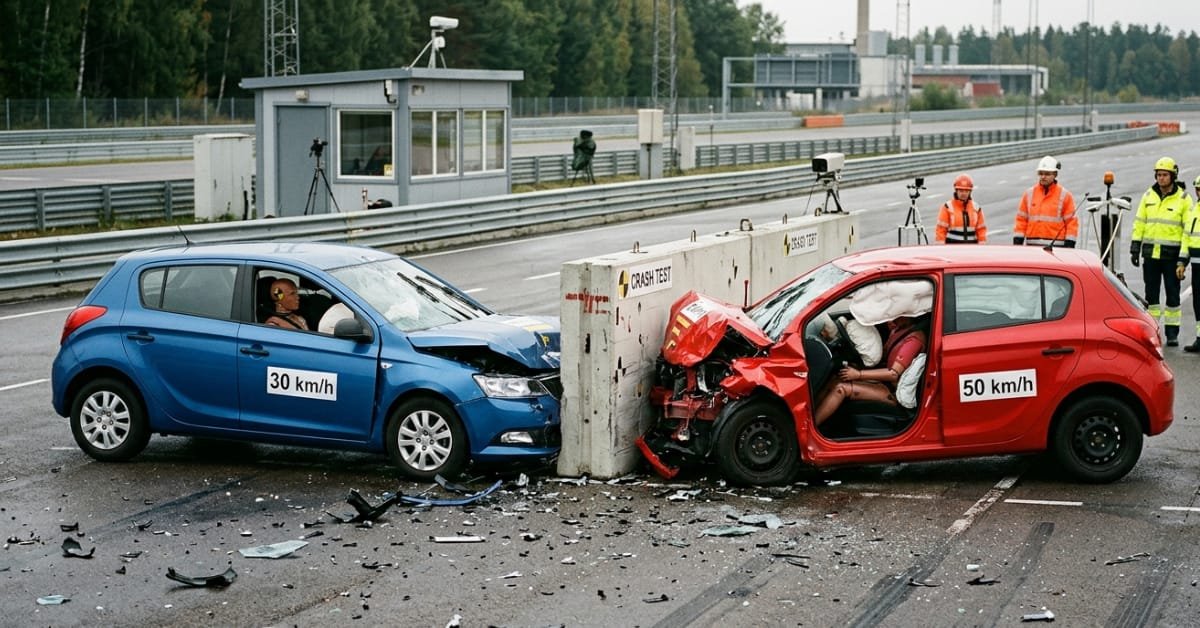
Have you ever wondered why speed matters so much in driving? At higher speeds, you don’t just drive faster, but you also think more slowly. Not because your brain is affected, but because your reaction time reduces as the speed increases. And sometimes, that split second is everything. Most Sydney driving school teach new learners to follow the speed limits and always adjust speed according to road and traffic conditions. It’s because your driving speed can directly affect how much time you have to react and how severe a crash can be. Drivers often underestimate speed, but what they fail to realise is how dramatically survival rates drop as speed increases. Not sure if it’s true? Here’s an example. Imagine you’re travelling at 70 km/h. At this speed, the chance of your survival in a head-on crash is around 90 per cent. Increase that speed to 90 km/h, and the chance of survival drops to just 20 per cent. A minor increase of 20 km/h and what a massive difference it causes! In this article, we’ll explore how even a small increase in speed impacts reaction time and crash survival rates and why sticking to speed limits is important.
Why Small Speed Increases Make a Big Difference
So why is a small increase in speed such a big deal when driving? Because it affects your reaction time. Whether it is a pedestrian stepping onto the road, a car braking suddenly, or a hazard around a corner, you need time to respond appropriately. However, the faster you drive, the less time you have to respond to such unexpected situations. It’s not like your reaction time decreases as the speed increases. No, at higher speeds, your reaction time stays the same, but the distance your car travels during that time increases. So, before you even begin to brake, you’ve already covered a lot of ground.
Stopping distance also increases significantly with speed. The faster the vehicle, the longer it takes to come to a complete stop. It means your chances of avoiding a collision also increase at higher speeds. That’s why professional driving school instructors focus heavily on speed awareness and control more than basic vehicle handling in their driving lessons.
The Force Behind a Crash
Speed does not just affect whether a crash happens. It also determines how severe that crash will be. Let’s try to understand why a small increase in speed can change the outcome of a crash so dramatically.
As speed increases, the force of impact also increases significantly. That’s why, even a small increase in speed results in a much larger increase in crash force. This means injuries are more severe, and the chances of survival decrease sharply. When the speed is low, you have more time to react and avoid a crash. At higher speeds, the same crash can become fatal. That’s why driving schools and programs like the Safer Drivers Course insist on teaching drivers how to make safer choices while driving.
Why Speed Limits Exist
Many drivers think that speed limits are just an enforcement meant to make you drive slowly. However, speed limits are not random numbers. They are carefully set based on road design, traffic flow, visibility, and surrounding conditions. That’s why some areas have a higher speed limit while others have a lower limit. In areas with pedestrians, schools, or heavy traffic, lower speed limits help reduce the risk of collision and give drivers more time to react. Conversely, on highways, higher limits are allowed because of better road conditions and fewer interruptions. So, the next time your driving school instructor tells you to follow the speed limits, remember why they exist in the first place. You should understand that driving over the speed limit does not just increase your risk of being in a crash. It also significantly reduces your chances of surviving one.
Final Thoughts
A difference of 20 km/h might seem small, but on the road, it can be the difference between life and death. Every time you drive, your speed affects not only your safety but also the safety of everyone around you. Whether you are learning through a driving lesson with a trusted Sydney driving school or gaining experience over time, understanding the impact of speed is essential. Stick to the speed limit. It is one of the simplest and most effective ways to stay safe on the road.
If you want to build safer driving habits and become a safer, more responsible driver, learning with a reputed Sydney driving school can make all the difference. At Onroad Driving School, our experienced instructors focus on practical skills, hazard awareness, and confident decision-making that go beyond just passing the test. Book your driving lesson with Onroad Driving School today and take a step towards becoming a safer, more responsible driver.
