
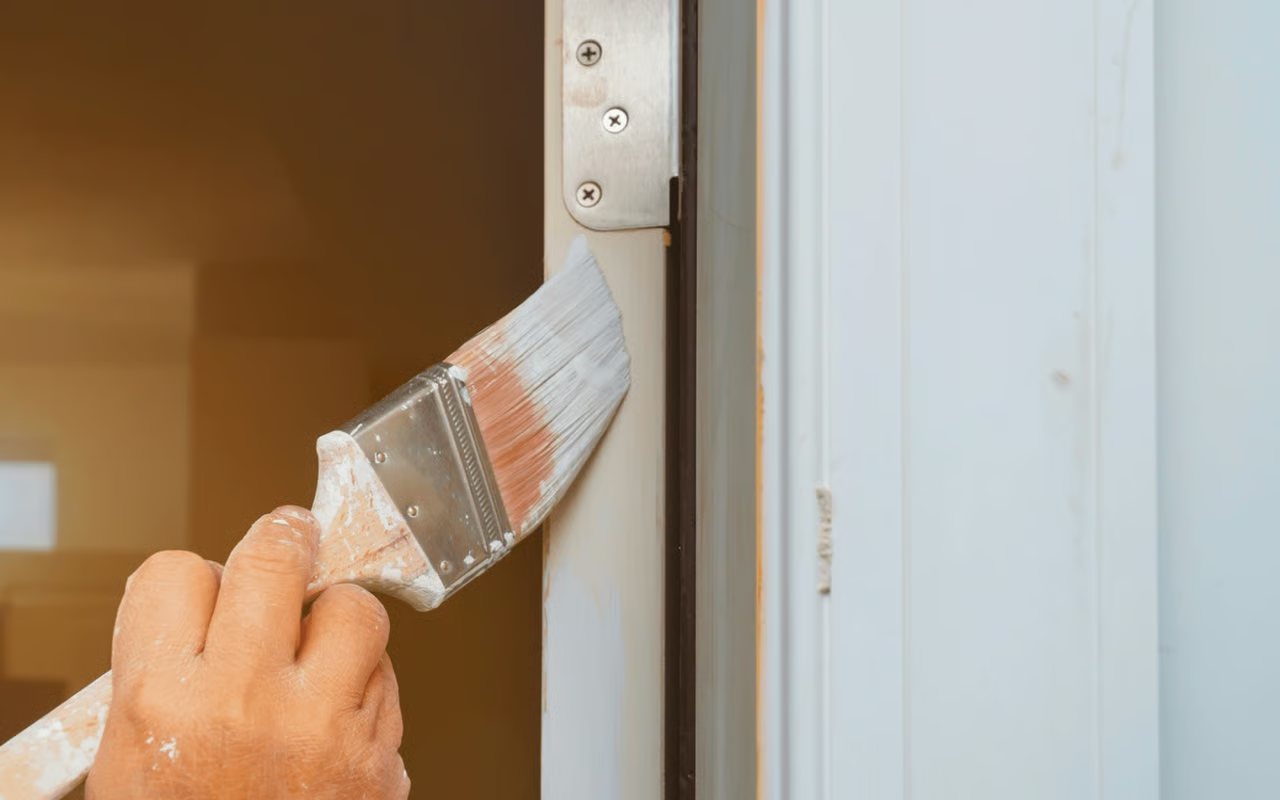
Which Home Improvement Projects Should You Really Tackle Yourself?

In the UK, the rise of DIY culture has meant that there is a whole new level of satisfaction that can be gained through updating your own space. However, many homeowners are unsure of the line between a weekend win and a costly mistake or safety hazard. You do not need to be a qualified tradesperson to transform your home, but knowing which jobs to tackle and which to outsource will save time, money and stress.
The Clear DIY Wins – Low Risk & High Impact
Replacing Kitchen Cupboard & Bedroom Wardrobe Doors
Instead of ripping out fully functional carcasses and cabinets, simply unhinging old, outdated doors and replacing them with modern styles is something that you can easily do yourself. Kitchens and bedrooms are the most heavily used spaces in the home, and cabinet fronts bear the brunt of visual wear and tear. Swap-outs use existing hinge alignments, meaning there are no structural, plumbing or electrical alterations. Similarly, updating cabinet handles, drawer pulls or door hinges is another job that is relatively easy to do yourself. Handles are the ‘jewellery’ of a room, and swapping tarnished brass or dated wood for modern finishes can instantly elevate the feel of any room for very little effort.
Basic Surface Maintenance & Finishing Touches
Another DIY job that you can do yourself is re-sealing and caulking. This involves stripping back mouldy, cracked or discoloured silicone sealant around kitchen sinks, worktops, basins and baseboards so that you can lay down fresh sealant. The fresh sealant will instantly make the room look cleaner, more hygienic and well maintained, while also preventing water ingress behind cabinets and timber structures. You can also usually fill, sand and prepare surfaces yourself, such as repairing minor dents, screw holes and hairline cracks in plasterboard, wooden doors or masonry before painting. Having smooth walls and properly prepared timber will make even the cheapest paint or finish look like a professional job.
Why These Are ‘Safe DIY’
None of these simple tasks fall under Building Regulations, Gas Safe requirements or Part P electrical standards. If you mismeasure a handle hole or lay a messy bead of silicone, the fix requires a bit of filler or stripping back the silicone to try again, with no need to contact an emergency call-out team. Most of these projects can also be completed in a single afternoon, offering maximum visual reward for a minimal investment of time and money.
The Grey Zone: DIY-Able With The Right Tools & Preparation
Upgrading Fixtures & Fittings
Replacing worn-out, dripping or dated taps on kitchen or bathroom sinks with modern fittings is a job that you can do yourself, but it will require careful planning and preparation. Although this does not involve altering pipework pathways, you are directly breaking into the home’s water supply. A loose compression fitting or forgotten washer can quickly lead to slow leaks behind units, causing invisible rot. The same can be said for upgrading shower heads and rails. Mounting rails requires drilling into bathroom tiles, and if you drill into a tile incorrectly it can crack, and there is also the risk of puncturing a hidden pipe or wire behind the wall.
Simple Carpentry & Heavy Wall Mounting
Securing floating shelves, heavy wall units or heaving mirrors can be done yourself, as fixing into solid masonry is relatively straightforward. However, a lot of modern UK homes predominantly feature stud or plasterboard walls. Hanging weight on plasterboard without the correct fixings will eventually pull the wall down, damaging plaster work and whatever was sitting on the shelf. You can also attempt planing or trimming down internal doors yourself so that they clear thick carpets or fit into existing frames. Even though a door that sticks is frustrating, taking off too much material or trimming the wrong edge can permanently ruin a door or weaken the structural integrity.
Why Do You Not Need To Call A Professional?
Tasks such as these do not alter primary utility runs or require UK Building Regulations approval. As long as water supplies are isolated and walls are scanned before drilling, the physical risk to the home is fully manageable by a methodical DIYer. Tradespeople often charge high minimum call-out fees for small jobs like replacing a tap or hanging a heavy cabinet. Tackling these yourself can save a substantial amount of money, provided you do not skip preparation.
When To Call A Professional: High Risk & Regulated Jobs
Complex Plumbing & Structural Work
Relocating a boiler, connecting gas hobs and cookers, extending gas pipework or opening up a boiler unit to fix internal pressure valves are not jobs that you should attempt yourself. In the UK, working on gas appliances without being on the Gas Safe Register is not just dangerous, it is illegal. Gas leaks carry severe risks of explosion and carbon monoxide poisoning, so any work should only be done by a certified Gas Safe registered engineer.
Electrical Work & Special Moisture Zones
Upgrading an old fuse box to a modern RCD consumer unit, adding new electrical circuits or rewiring a room should only be done by a qualified electrician registered with a competent person scheme. Faulty wiring is one of the leading causes of house fires, and in England and Wales major electrical work in homes must comply with Part P of the Building Regulations.
Why Should You Call A Professional?
Jobs such as these should only be carried out by a professional as Gas Safe regulations and Part P Electrical standards carry legal requirements for a certified sign-off. Uncertified gas, electrical or structural work can completely invalidate your building and contents insurance policy in the event of a fire, leak or collapse. Buyers can also request certificates for these works, and missing paperwork can stall a property sale. The cost to repair structural damage, water-logged foundations or dangerous wiring will outweigh the cost of hiring an experienced, insured professional in the first place.
As a general rule, cosmetic and surface refreshes can be DIY jobs, but anything involving systems, gas or structural elements needs a professional. If you are trying to attempt DIY jobs around the house, start small to build your confidence before taking on larger tasks.
